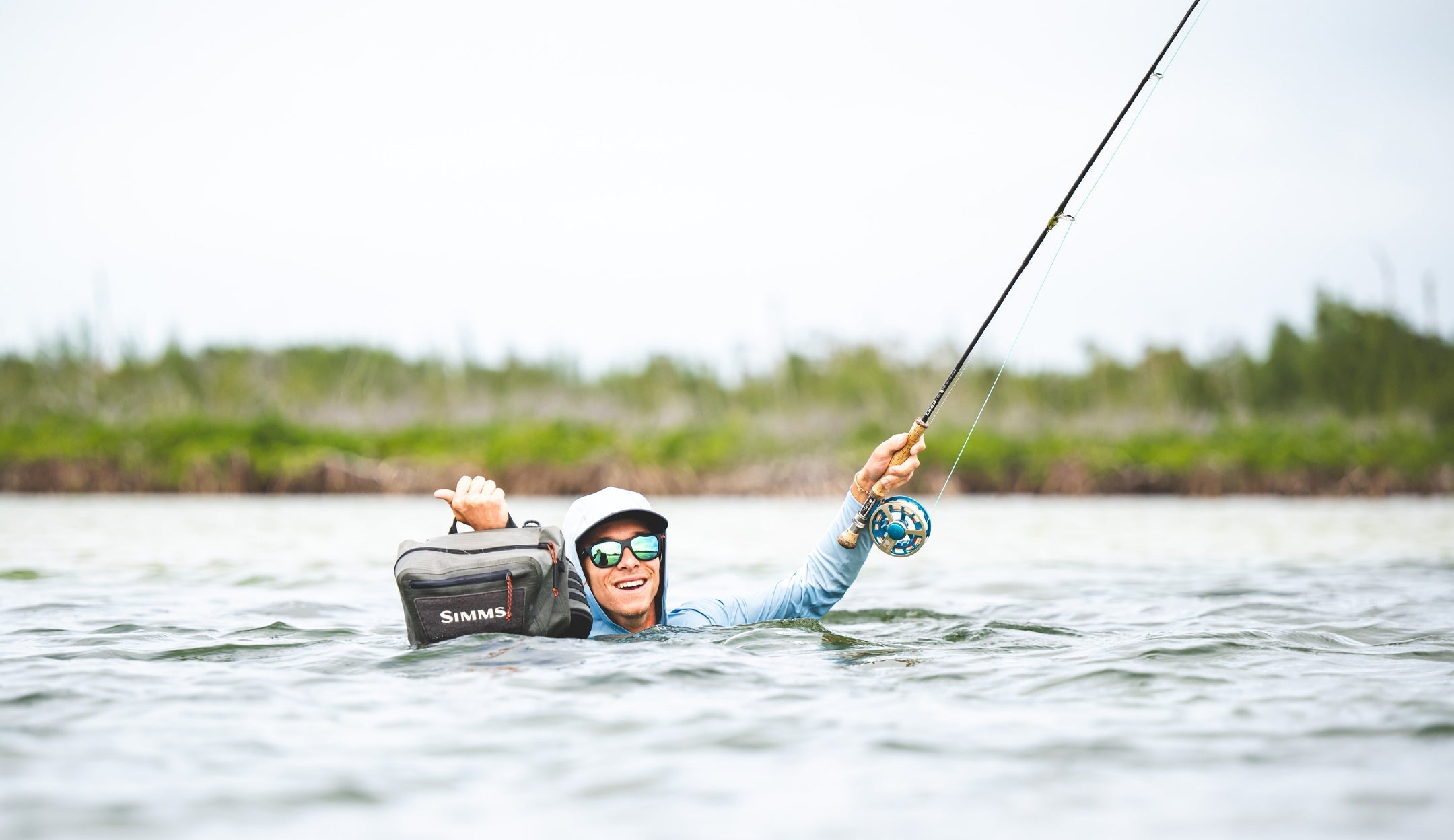
There is a fish that stops the conversation...
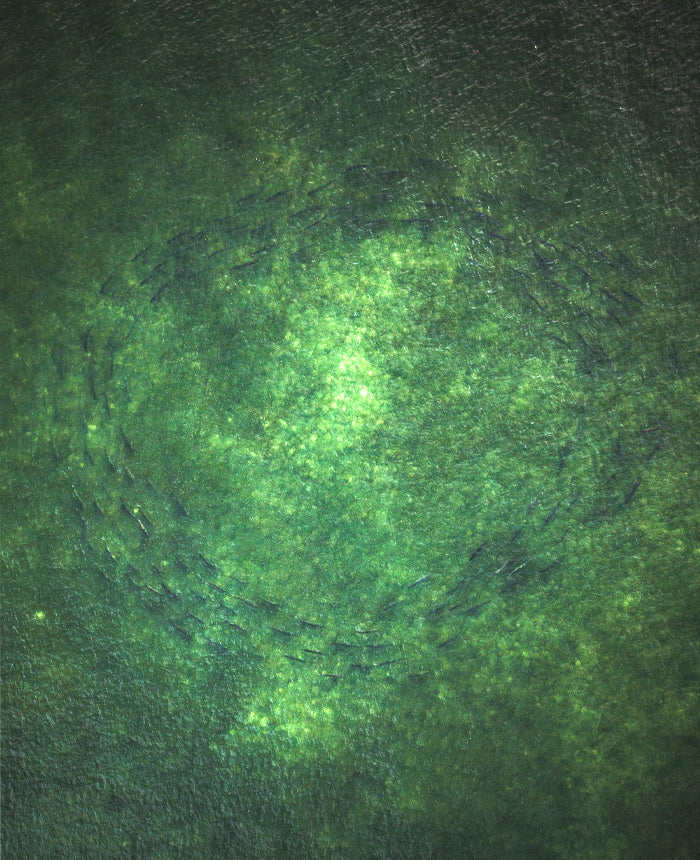
Not because it is rare. Not because it is technically demanding, though it is. But because nothing else alive in the water makes you feel the way a tarpon does the moment it eats. Silver flanks catching light. A hundred-plus pounds of muscle moving on your fly like it belongs somewhere else entirely.

On Florida's Nature Coast, tarpon are not a guarantee. They move through on their own schedule, in their own way, and they do not adjust to accommodate you. Trey Mikell has spent years learning that lesson, and building a program around it.
This is not the same tarpon fishing you see in the Keys. There are no famous flats, no well-documented migration corridors, no crowds of boats waiting at first light for fish everyone already knows about. Out here, the fish are harder to find and harder to pattern. You earn each one with time on the water, patience, and a willingness to earn each eat.

That is part of what draws Trey to it. The Nature Coast does not hand you a playbook. You build one yourself, revise it constantly, and accept that it will never be finished.
Part 1 of this series introduced the fishery and the redfish program that partly defines it. A place that forces you to pay attention. A way of fishing that does not reward impatience. Part 2 goes deeper into what this water holds and what Trey has build his life and career around.

Tarpon are the pinnacle of that. They don't reward the angler who showed up with the best cast or the most expensive setup. They reward the one who has done the work, who knows which tide moves fish through which cut, who has spent enough mornings here to recognize a pattern most people would never notice. On the Nature Coast, that kind of knowledge is hard-won, and tarpon have a way of making you feel exactly how much of it you have earned, or have yet to earn.

What Trey has built out here is not a guaranteed experience. It is something more valuable than that. It is a real one.
This is the Nature Coast.
And this is Part 2.