2 weeks ago, Dylan Nutt stepped onto the biggest stage in bass fishing as a first-time Bassmaster Classic qualifier — a young angler with something to prove and nothing to lose.
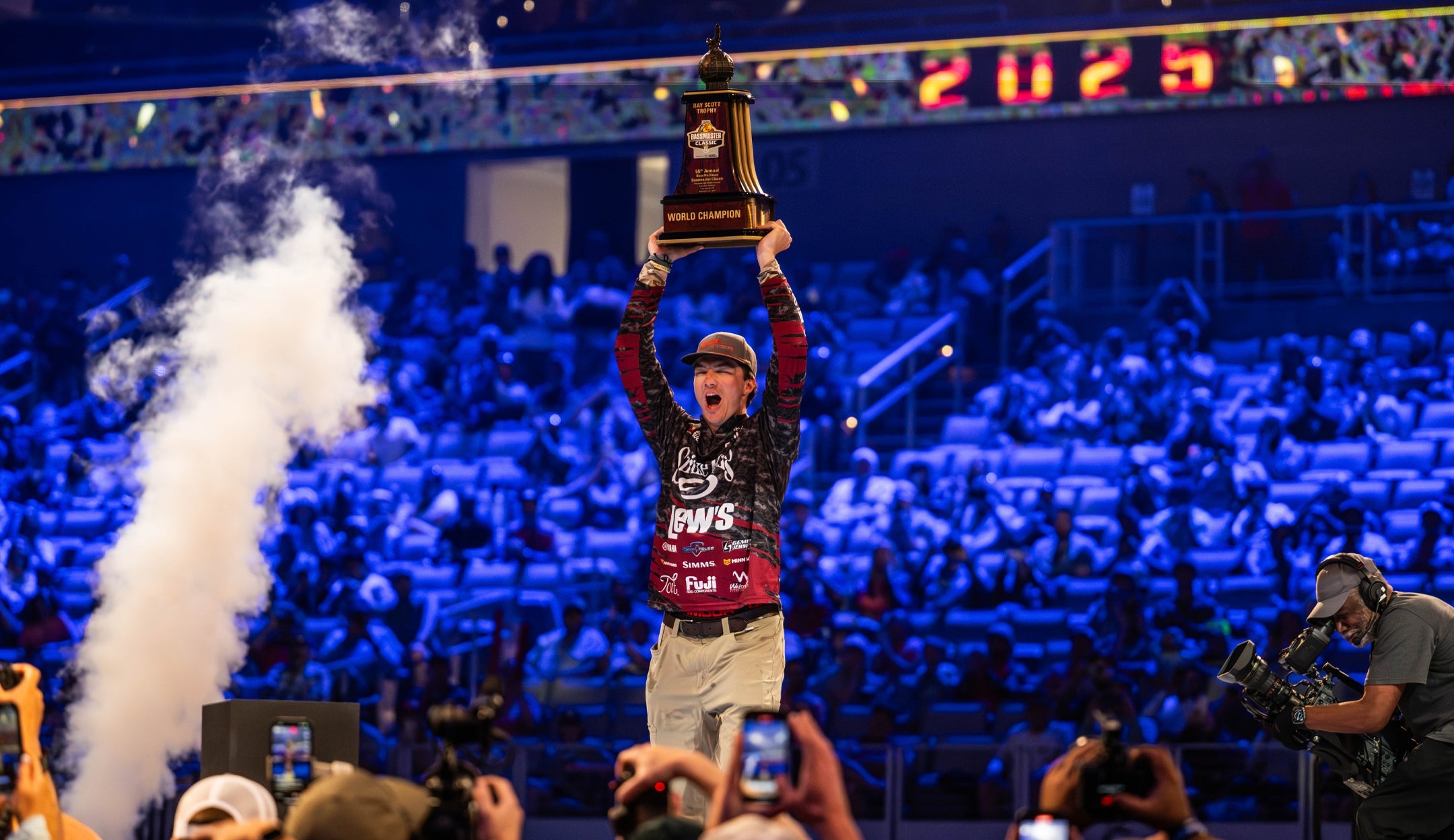
A few days later, he left as the Bassmaster Classic Champion.
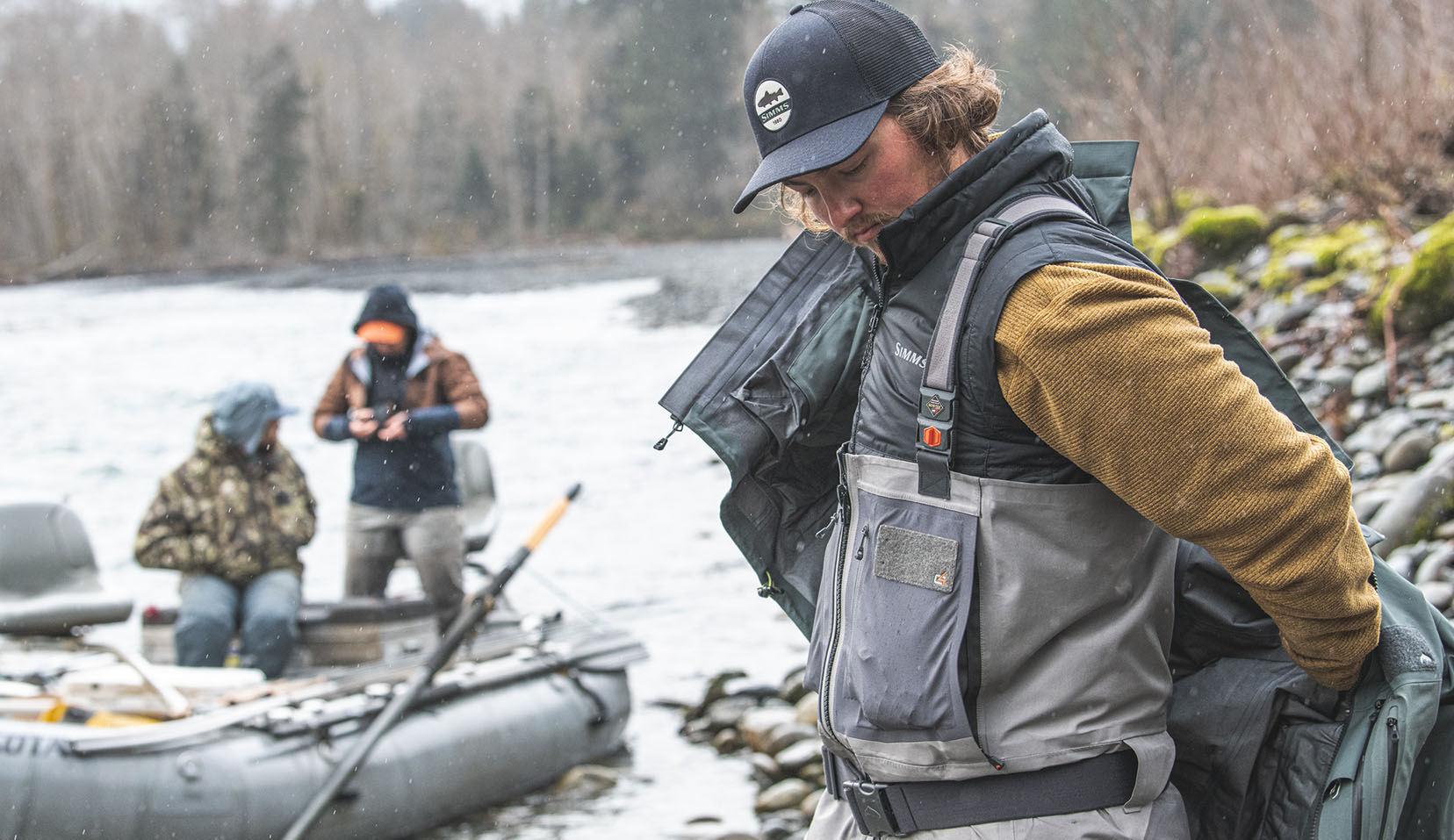
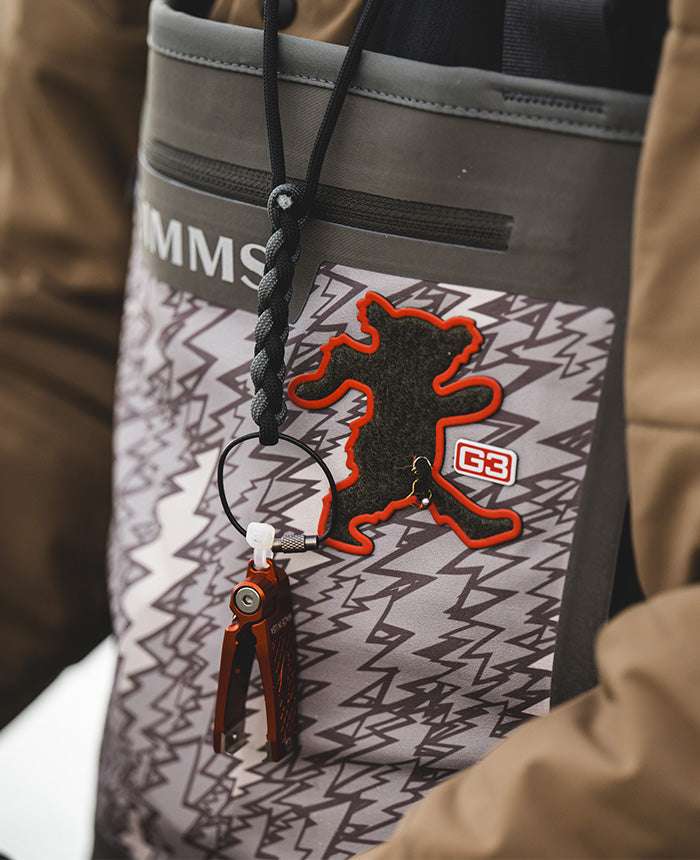
What you’re about to read was captured in the days leading up to that moment — before the weigh-ins, before the spotlight, before the outcome was certain. But in hindsight, it reads differently. The mindset, the preparation, the belief — it was all there. The definition of a Challenger wasn’t something Dylan became that week. It’s who he was the entire time. While wearing the all-new Challenger Suit — the jet black bibs and jacket he fished his way to a title in — that mentality showed itself when it mattered most.

Dylan Nutt: The Challenger
In 2026, Dylan Nutt joined the Simms Pro Team just as he was preparing to step onto the biggest stage in professional bass fishing — the Bassmaster Classic. Raised in Alabama, Dylan and his brother, Carter represent a new era of competitive anglers: fearless in the face of pressure, relentlessly prepared, and unwilling to back down from a challenge.
The Nutt brothers built their reputation the hard way — early mornings, long days, and a compulsive drive to outwork the competition. It’s this mentality that defines the next generation of competitive anglers.

With the launch of the all-new Simms Challenger Suit, Dylan’s mindset feels especially fitting. Confidence in the moment, resilience through adversity, and an unwavering drive to capitalize on every opportunity—it's the same mentality that defines both the suit and the angler wearing it.
On the brink of his first Bassmaster Classic appearance, we caught up with Dylan to dig into that mindset and learn more about the discipline that fuels his success — and finally, what it truly means to carry the mentality of a Challenger.

Simms: This particular Challenger story is a lot about you qualifying for the Classic in a not-so-orthodox way — you truly had to grind it out. We look at you and Carter as the definition of Challengers. How did it all start for you and your brother?
Dylan: Carter and I spent a lot of time at our family farm in Scottsboro, Alabama. My grandfather got us into fishing at a really young age — we fished a lot. I got the bug early and never kicked it — we were probably three or four years old when we caught our first fish. From that point on, fishing was pretty much all I thought about.
I’d be sitting in school and instead of paying attention, I’d be thinking about going down to the creek after school and catching anything that would bite — it didn’t matter, whatever would eat my fly, depending on what I was into at the time.
We fished for bass a lot, too. Carter really got into the technology side — electronics and all that. I was just out there fishing.
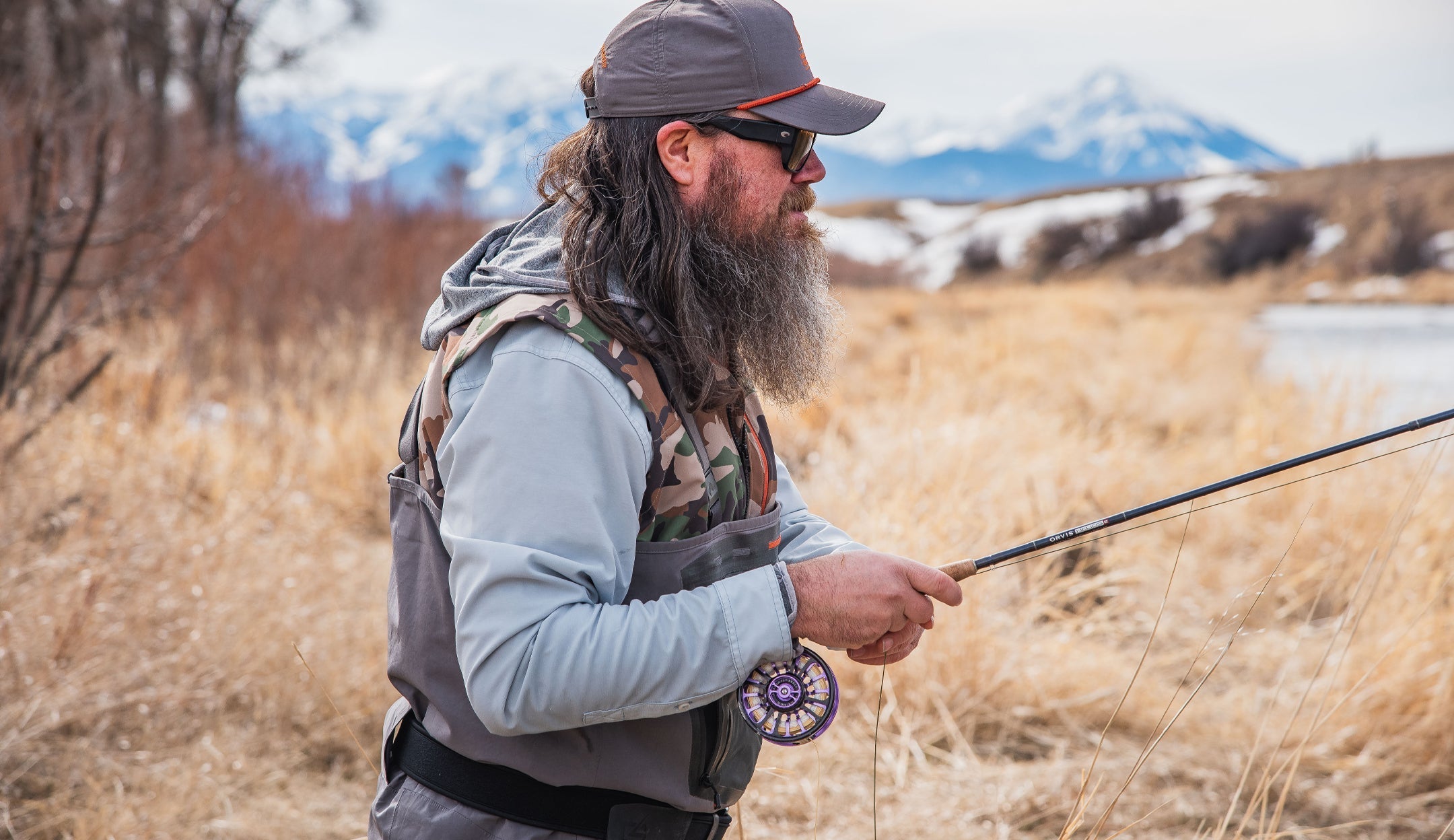
Before we started fishing tournaments, we didn’t have a boat, and I almost sold all my bass rods because I got really into fly fishing. I did that for about two years and loved it — it felt like an art form.
Then a buddy came around and said they had high school tournaments. We were in eighth grade, and we decided to jump in. We started a bass team, and one day I was cutting grass, and my dad drove home and surprised us with a boat. He towed a ProCraft home behind his minivan. Huge surprise that I’ll never forget. We had a little 9-inch Humminbird on there and just went fishing.
We fished a couple of high school tournaments, and we were super green. We could catch fish from the bank, but showing up at a lake was a different animal. We didn’t even know where to start.
In eighth grade, Carter fished with our buddy Adrian, and I fished with Nathan Reynolds. Then, in our freshman year of high school, Carter and I started fishing together, and it took off. During our sophomore year, we got our first win. I think the next milestone was when we won Team of the Year. Junior year, we won the state Team of the Year as well as the state championship. That gave us enough money to rig the boat with better electronics.
Carter is a genius with that stuff. He wired the boat and did all the rigging in high school. I still don’t care much about technology — I’m just trying to tie a couple of knots and figure out where the bass live.

Simms: There’s a lot of talk that younger guys only LiveScope. But you’re basically saying you’re not locked into that. Is that accurate?
Dylan: Yeah. Before this season, I hadn’t caught a bass without LiveScope in a while. It took some getting used to switching back. But now I’m confident without it and feel really good about it.
After Okeechobee especially — most of the scopers went into the canals and were catching them. Carter and I decided we weren’t doing that. We spent our whole practice on the lake.
After day one, we were sitting in second with 22.5 pounds. We caught them on a swim jig, frog, and chatterbait — classic Florida stuff. We were fishing this one pond, and the only other guy in there on day one was Steve Kennedy — one of my biggest idols. He was moving around a ton and fishing circles around us. I think he had about 14, and we had 22. After the weigh-in, he said he knew he should’ve been fishing slow. Julius [Mazy] joked that slow fishing is page one of the Florida handbook — and Steve’s basically the guy who wrote that handbook.

Simms: Describe your mentality as a competitive angler right now. What are you thinking when you go out there?
Dylan: It depends on the format. I really like this Pro Circuit deal where you’re limited to three hours of LiveScope. You can still scope, but you also have to actually fish and catch them without leaning on it all day.
If it’s a tournament where the fish will be scoped and I can use it the whole time, I’m going to use it as much as I can. If not, I’m just going fishing.
But the main thing for me is confidence. If you’re not confident, it doesn’t matter if you’re around winning fish — you won’t catch them.
After qualifying for the Classic, my mindset was: I’m going to give these guys everything I’ve got. I was on a podcast, and they asked what I was going to do, and I said, “I’m going to win it.” Even if you’re sitting there at noon with one bass, you keep telling yourself you’re going to win. You stick with what you believe in, stay positive, and keep fishing. As soon as you get down on yourself, you’re done.

Simms: At what point do you switch up? When you lose confidence, do you immediately change?
Dylan: I’ll give it a little time, but if it’s not working, I want to try something else. One thing I’ve gotten stuck in before is having one deal I’m running — and when it quits working, you’re like, “Now what?”
This year, I’ve grown a lot by trying to find multiple ways to get bites, so when something stops working, I have another option ready.

Simms: You’ve got a big tournament coming up next week. Without spilling too much, what are you doing differently than other anglers that might give you an edge?
Dylan: I don’t really want to spill the details, but the main thing is time. I put in a ton of practice — I spent about a month up there. I fished every inch of that place, scanned around, found everything I think I can catch bass off of, and identified some areas that seem to have bigger fish.
The only other guy I know who put in that much time was Easton Fothergill. That’s a little intimidating, but I’ve beaten him just as many times as he’s beaten me. We’ll see what happens. I’ve just got a lot of confidence.
I even caught a 9-pounder up there — and those don’t exactly grow on trees.

Simms: What are you most excited about for fishing the Classic?
Dylan: Two things. First is blast-off day one — being around all my idols and the best anglers in the world, and knowing I earned my spot. A lot of those guys know who I am, and some of them are a little nervous. That’s pretty cool. I know I’ve got as good a shot as anybody.
Second is getting towed into the stadium with my walkout song playing. I’ve got “Skrilla” by Kodak Black — it's going to be loud.
Simms: You grew up around that region — what are your thoughts on the Tennessee River right now, and how might it play into your strengths?
Dylan: The Tennessee River is getting pressured — big lakes like Pickwick and Guntersville are starting to show it in tournament weights. But up in that area, the fish haven’t been pressured the same way. They’re not as conditioned.
You’ll have stretches where it feels tough, but then you hit a flurry and catch them really well — kind of like how Pickwick used to be. I’m excited because it lines up a lot with Pickwick fishing, and you’ve got largemouth and smallmouth mixing together doing similar things.
I’ve won a lot of money on Pickwick and spent a ton of days out there. Last fall, I was taking online classes, and I basically went fishing every day. By midterms, I realized I hadn’t even opened my computer. I ended up dropping all my classes. I learned two things: you can’t be an idiot, and online classes don’t work for me.
I went back in person, and I’ve been on the Dean’s List ever since. But during that time on the water, I learned a ton — especially as LiveScope was getting bigger. I spent so much time on the water that the next spring I won every tournament I fished on Pickwick.

Simms: What’s your favorite way to fish right now — most fun for you?
Dylan: I love covering water, chuckin’ and winding —throwing a chatterbait, rattle trap, or spinnerbait. Just picking up a bait, moving, finding a little pattern you can run, and catching fish. But honestly, whatever they’re biting is my favorite way to fish.
Simms: What does the name “Challenger” mean to you as an angler—and how does that resonate for younger anglers trying to get into the sport?
Dylan: To me, Challenger kind of puts everything we’ve been doing to get here into one word. We’re grinding all the time, trying to get every advantage we can, working for it — and that’s what being a challenger is.

Simms: At what point did the 2026 Classic enter your brain as a real possibility?
Dylan: I thought about it after winning on Pickwick and qualifying for the Nation Championship, but I didn’t fully believe it was real at first.
After day one, I was in 11th and thought, “Just catch them again and get a decent finish.” Then, on day two, I caught almost 19 pounds and moved up to fourth. That’s when it became a real opportunity.
After day three, I had another 17.5 and moved into second going into the final day. That’s when it really hit me. I didn’t stop crying the whole drive back — it was about an hour. I kept thinking my dreams could become reality.
The final day was crazy. Second through fourth were separated by ounces, and fourth doesn’t qualify — the top three do. My bubble scale said I had about 16.5, and other guys were saying 18 and 19. I thought I’d be the first one out.
I watched other guys weigh in, and they were coming in a little under their bubble scales. When it was my turn, I cinched the bag tight, kept as much water as I could, ran it up there, and weighed 17.4. I needed 17.3 to qualify. The emotions were unreal — going from thinking I was out to qualifying for the Bassmaster Classic by a tenth.

Simms: At what point do you start feeling good in a tournament?
Dylan: Usually when I get that first bite. Or when things feel like practice. That first bite flips the switch — then it’s time to go to work.
Simms: Considering this is your first Classic — what are your expectations?
Dylan: I want to be in the Super 6 going into the final day. That would be unbelievable. But yeah — I do want to win. You don’t get opportunities like this often. If I win, it gives me a berth to the Elite Series in 2027 and qualifies me for the next Classic. That’s the dream.

Simms: Are you also chasing the Elite Series berth for 2027 through the Opens?
Dylan: I’m not fishing the Opens. The tournament that qualified me for the Classic also qualified me for the EQs, and they paid for them. So I’m fishing the EQs — I don’t even have to fish the Opens. That’s a great opportunity. Even if I don’t capitalize here, I’ve still got another path, but I’d love to pull it off. Those EQs have really put my name out there. The publicity has been huge.

Of course, now we know how it ended.
Dylan Nutt didn’t just show up to his first Bassmaster Classic — he won it. In doing so, he became just the second college angler in history to claim the title, and secured his place on the Bassmaster Elite Series for 2027.
Reading his answers now — the confidence, the preparation, the belief — it’s clear none of it was talk. That’s the standard of a Challenger.
And it’s exactly what the Challenger Suit was built to support. Dylan wore the blackout bib and jacket from blast-off to final weigh-in.
The same all-new updated challenger suit is available now, check it out below.