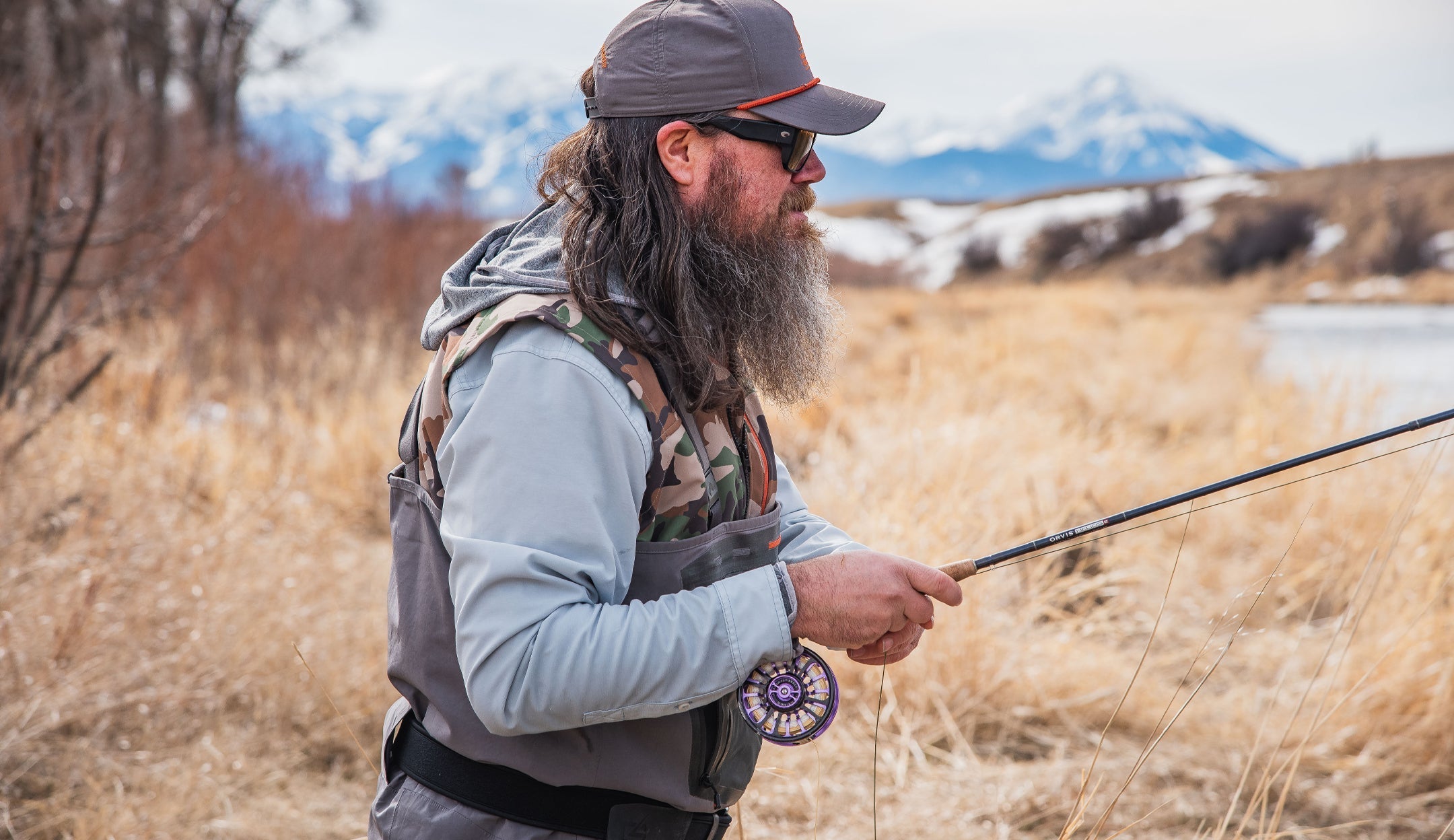
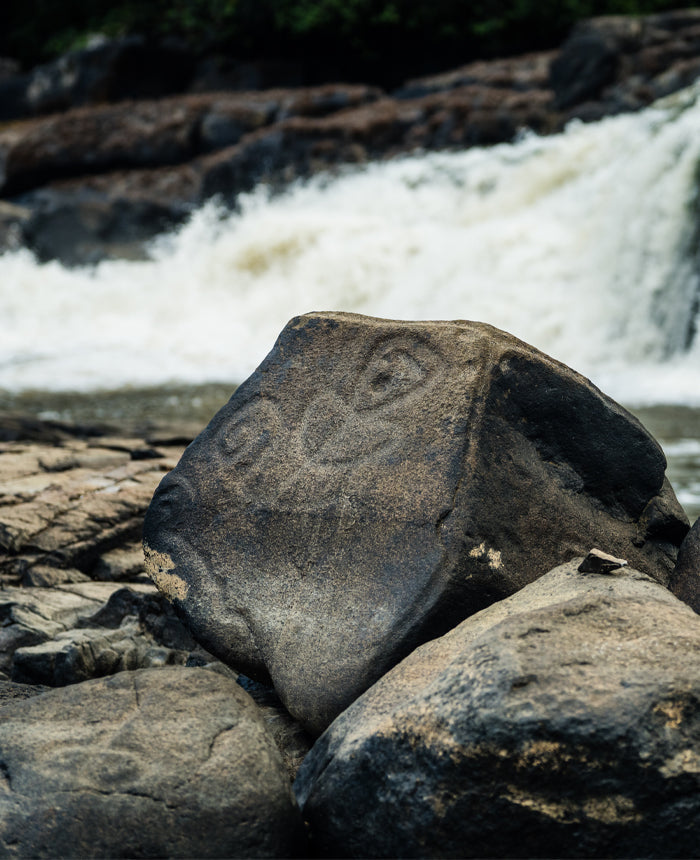
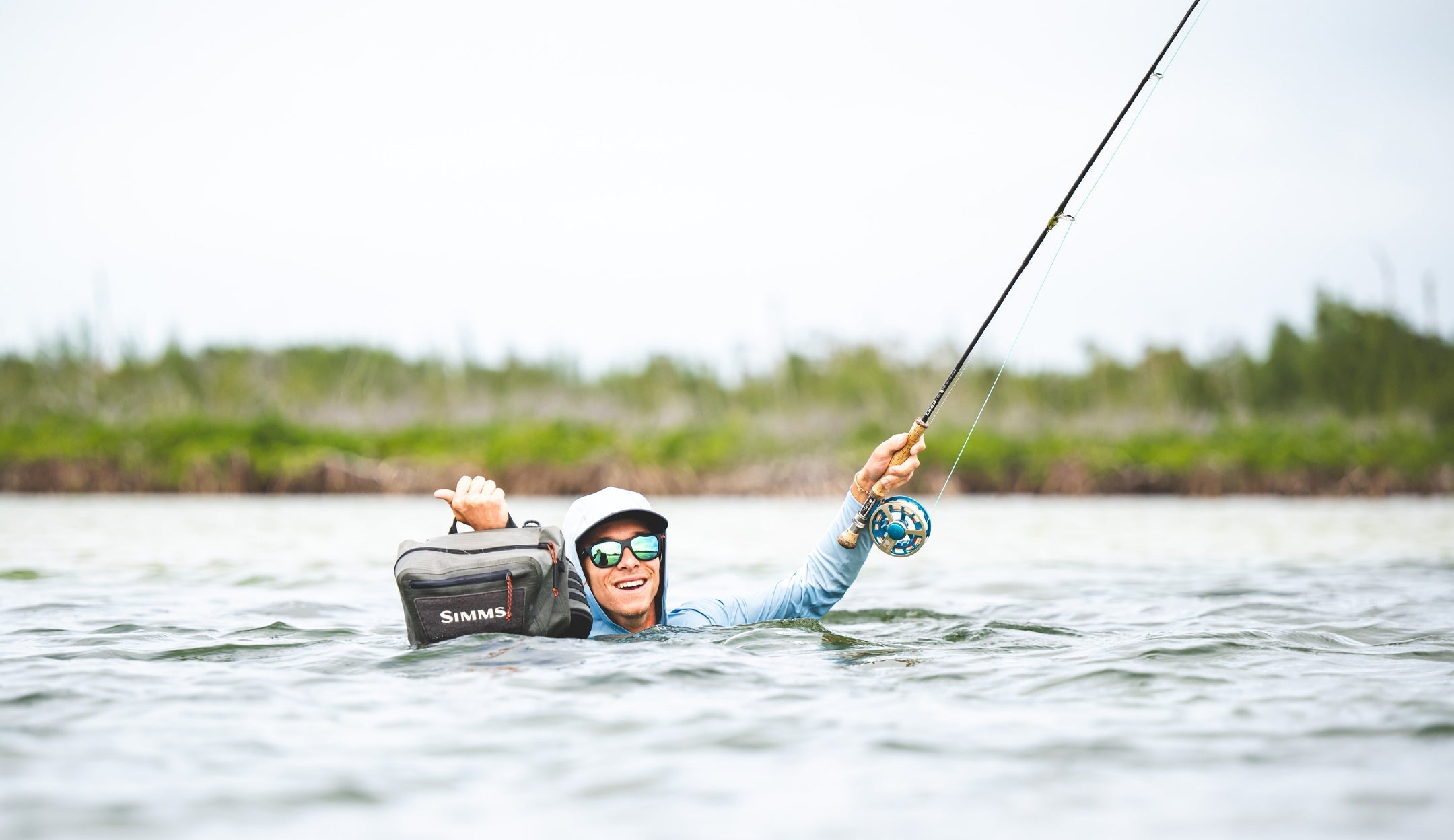
Photos and words from Brian Mulvey, one of the expeditioners on the 2025 Trout Unlimited Expedition to The Klamath River.
How One Instagram Follow Led To Fishing, Community, and The Klamath
“I like fishing (or at least the idea of it) - I’m going to follow Simms on Instagram.”
That decision would change my summer, and maybe more...

This past June, I had the privilege of joining Trout Unlimited’s summer college Expedition to southern Oregon to bear witness to the largest dam removal and restoration effort in the history of the world. Nine other young adults, accompanied by three TU Expedition Leaders, spent a week immersing ourselves in all things Klamath River. While we learned about dams and their impact on the Klamath, I worked to break down my own mental dams with cohabitating with the lovely group of strangers I would end up calling my friends, and the trial by fire of having my second fly casting experience be on the Klamath River – much different than my home waters of the Croton River in New York.


The Klamath River runs about 260 miles from southern Oregon to northern California, where it empties into the Pacific. Commonly found species are Chinook and Coho Salmon, Steelhead, and lamprey. Previously, there were four huge hydroelectric dams, but as of about a year ago, there is freely running water.


Mind you, I had never cast a fly rod until about a month before this adventure. Nevertheless, all I could do was try.

About 2 weeks before TU Expeditions kicked off, I found the Simms post advertising Trout Unlimited’s Expedition,
“Offering high school and college students a chance to connect more deeply with the water, the land, and a community of peers who share their passions. It’s a chance to take what you’ve learned through fishing—the patience, the awareness, the responsibility—and apply it to something bigger.”
Having too much free time for my liking, I jumped at the opportunity and applied on a whim. I had never camped farther than a short walk from a road, been to the west, or really met many peers with a passion for fishing - especially on the fly.
I did, however, have experience following my passions and was excited by the idea of learning about rivers and the different people who catalyzed such a historical moment in river restoration.


For that week, we did our darndest to learn about our new home and the challenges those before us had gone through, so that the river may flow freely. The dam removal effort had been a project since the turn of the century, involving everyone from farmers to scientists to indigenous groups to Warren Buffett. Where once a fishkill of 30,000 plus occurred, after the dams were removed, it only took salmon two weeks to return. We were fortunate to meet with many of the stakeholders who made that achievement possible, whose lives and work focus on the Klamath—whether it was their job or not. Multiple times, our group coincided with a group of indigenous youth kayakers making the first descent of the Klamath from the headwaters in Oregon to its mouth in the Pacific Ocean in California. It was an inspiring time to be nineteen years old and far from home, energized by new surroundings and like-minded peers, charged by meeting changemakers, and living on the land everyone had worked so hard to protect.


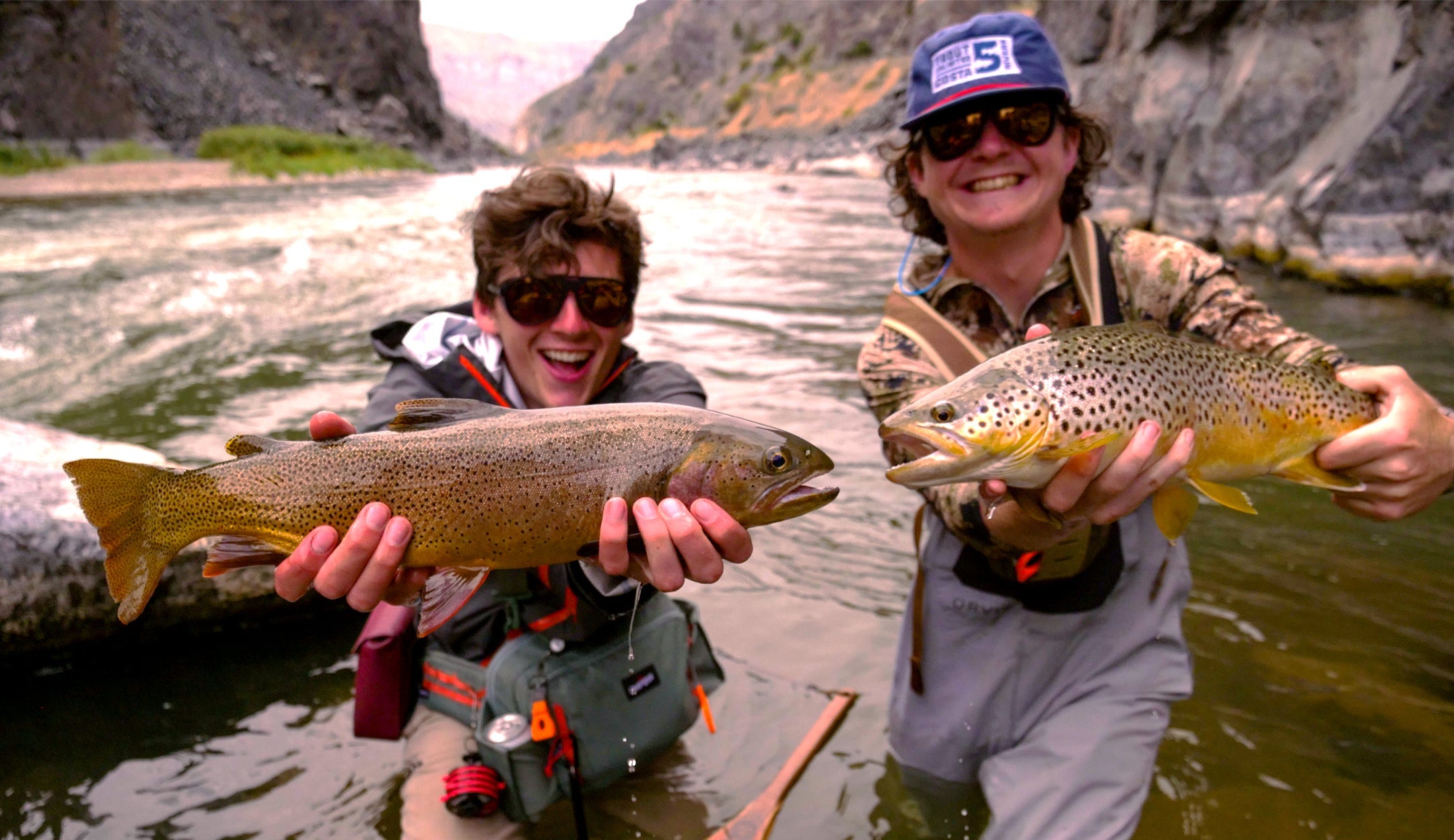
There was education and discussion by day, and fishing by evening. Take that and combine it with cohabitating with 12 people you’ve never met before - the word “intimidating” comes to mind. Some participants had been on past TU Expeditions and knew each other previously. It seemed like everyone was an experienced angler, able to get their fly right to the foam or recognize fishy pockets that I wasn’t yet seeing. I was hesitant to ask for guidance at first, not wanting to highlight my inexperience. Thankfully, I was introduced to Dutch Blitz, an Amish and Pennsylvania Dutch-inspired card game that is reminiscent of Spit, Uno, and Solitaire - all in one. When the game got heated, I found myself being less tight-lipped and more myself, even if it was out of frustration with the cards. Over the days with shared tasks, jumping in the river, and a competitive spirit, I felt more comfortable with my TU fam. By the end of the trip, my fish count, like a lazy trout, did not rise, but my understanding of fly fishing did—thanks to stories from fellow Expeditioners that, believe it or not, showed they had once been beginners as well.

It wasn’t all fun and games, though—we worked diligently to source, bundle, and ultimately, construct our beaver dam analogs, or BDAs—though that was pretty fun too. We journeyed to the Wood River Wetland, where we harvested willow branches that were encroaching upon the trail. We persevered through the midday sun, hidden marsh, vigorous sawing, and air thick with tree particulates to collect our arborist’s bounty. Twenty-four hours later, we were deep into the middle of nowhere Bureau of Land Management land, a recent forest fire victim, to construct our semiaquatic rodent-inspired magnum opus of hydrologic architecture. We disembarked our vehicle and began a human conveyor belt stick delivery service to the site. Caked with dirt and mud, we reinforced our crisscrossed willow branches with dirt and mud so that the tributary may retain water at a greater rate in the future, helping store water in a recovering environment.

Here I am, four months later, back at school, reminiscing on the rare moments when I found myself in the TU van surrounded by fish-fanatics talking about that time they went mousing after dark — though I had no idea what “mousing” meant at the time. TU Expeditions exposed me to new people, places, and things. One of my greatest takeaways was from the time spent talking with Odin Bercu, outdoor photographer extraordinaire, a great human, and someone whose day-to-day seems very appealing to me as I consider a career in photography and filmmaking. I’m grateful for the challenges that came with TU Expeditions and, afterwards, I feel as if there are many more open doors — as well as doors I didn’t know existed. I also have a crew of new friends I can text with my questions, like, “Do I snip the weed guard that runs around the fly?” Thank you to everyone who shared their knowledge, time, and passion with TU Expeditions—because it’s through those connections, challenges, and shared experiences that both rivers and communities thrive, and that young anglers like me grow in ways we never imagined.


With the goal of engaging young folks across America with TU’s restoration work, TU Expeditions started in 2024 to provide hands on opportunities for youth to participate in conservation. With initial funding through the Bureau of Land Management and additional support from Bass Pro Shops and Cabela’s Outdoor Fund and Rivers are Life, the Expeditions have now completed two successful seasons in Wyoming and Oregon, completing 37 BDAs, educating 145 local youth, and cleaning up 23 cubic yards of trash. These impactful experiences are not only restoring vital habitats for wild and native salmonids but also inspiring the next generation of conservationists.
For more information on Trout Unlimited Expeditions, click here.
Brian Mulvey is a junior at the University of Miami studying marine and geological sciences. He wears many hats: the founder and president of the student organization UShred (dedicated to making the worlds of surfing and skateboarding more accessible), a Photo Editor at the school newspaper The Miami Hurricane, and an employee working at the Outdoor Adventures Center on campus. You might find him fishing before class, taking photos on the sidelines of Hard Rock Stadium, or plotting his next adventure.
Follow Brian on instagram here or see more of Brian’s work at bmulvey.com