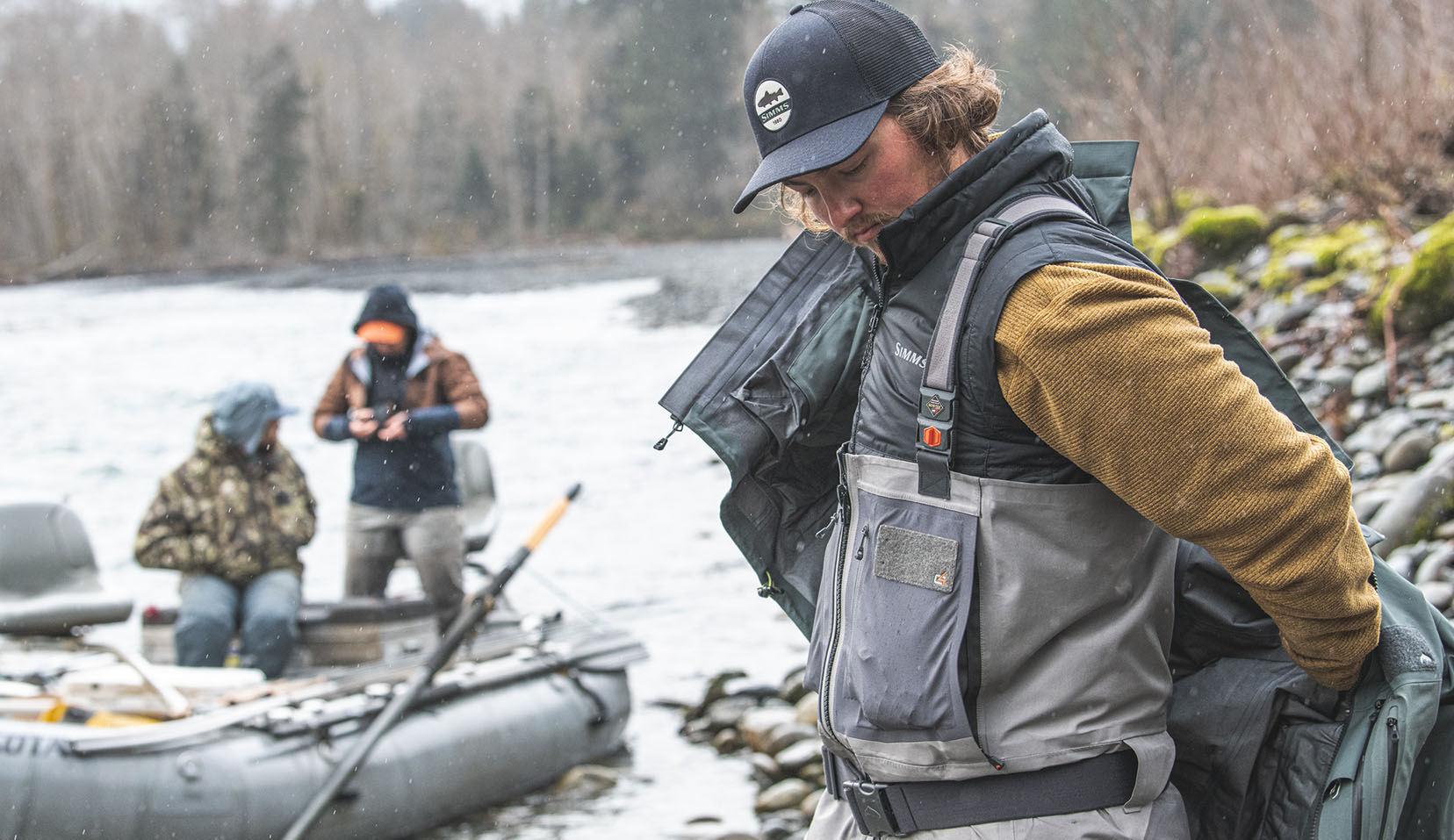
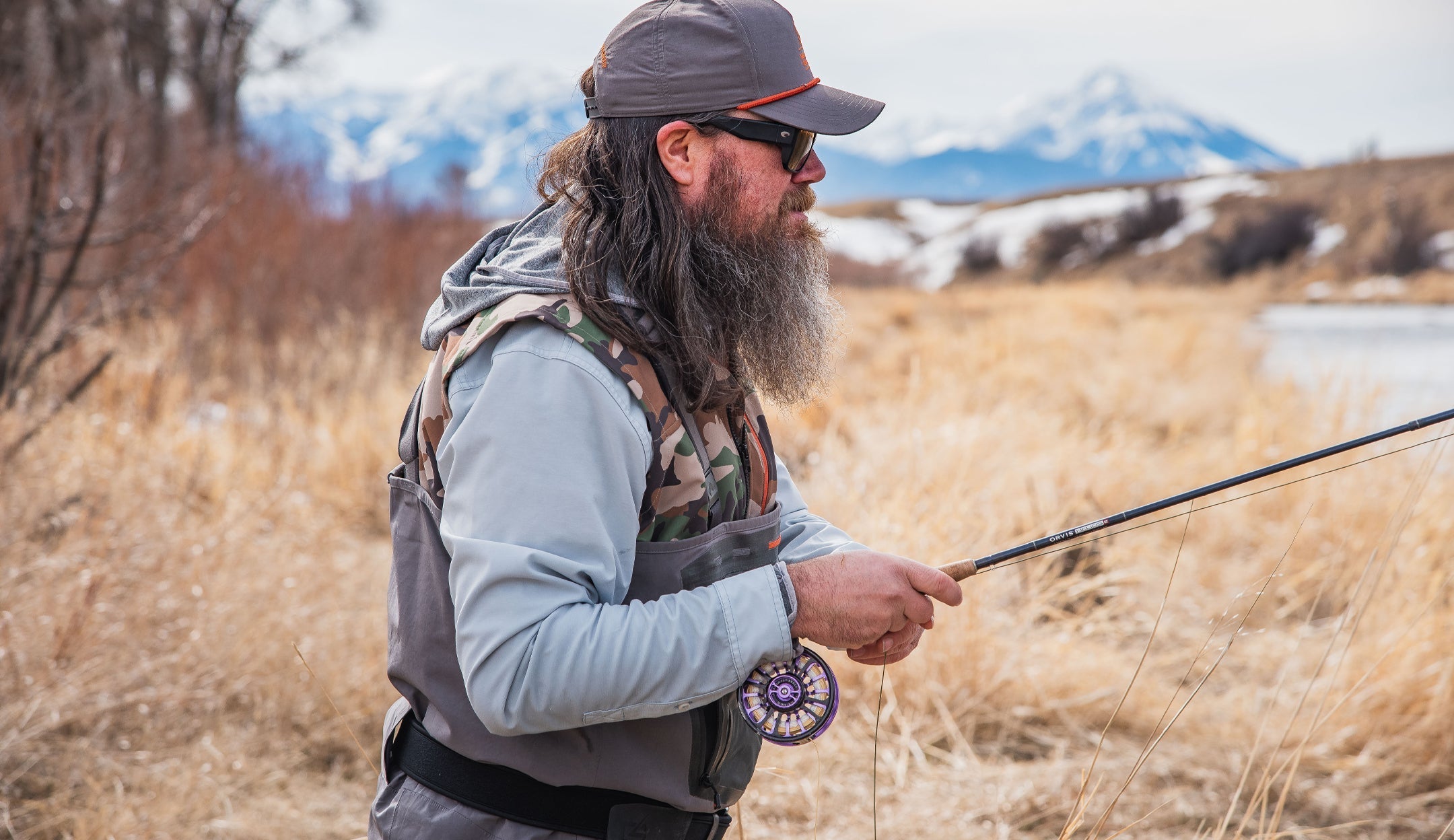
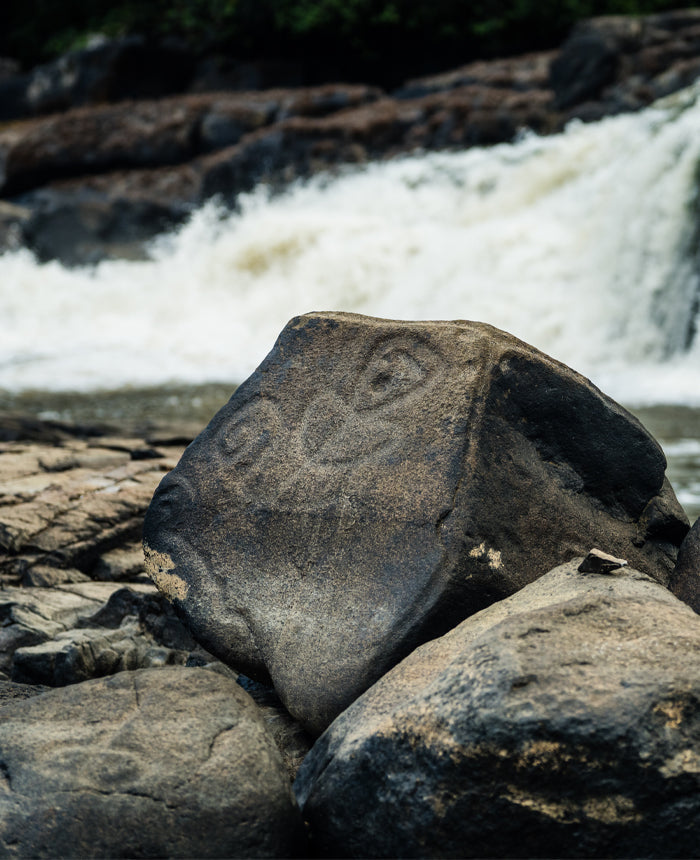
Ask any working guide who they call after a hard day, and you'll learn a lot about them.
Guiding looks like a solo pursuit from the outside. One person on the poling platform, one client on the bow, one boat working a piece of water that most people will never see the way you see it. What that picture leaves out is the part that keeps a guide from burning out by year five. The other guys doing the same job. The ones who understand what a bad tide feels like, what a slow week does to your head, what it means to put a client on a fish after two days of nothing.
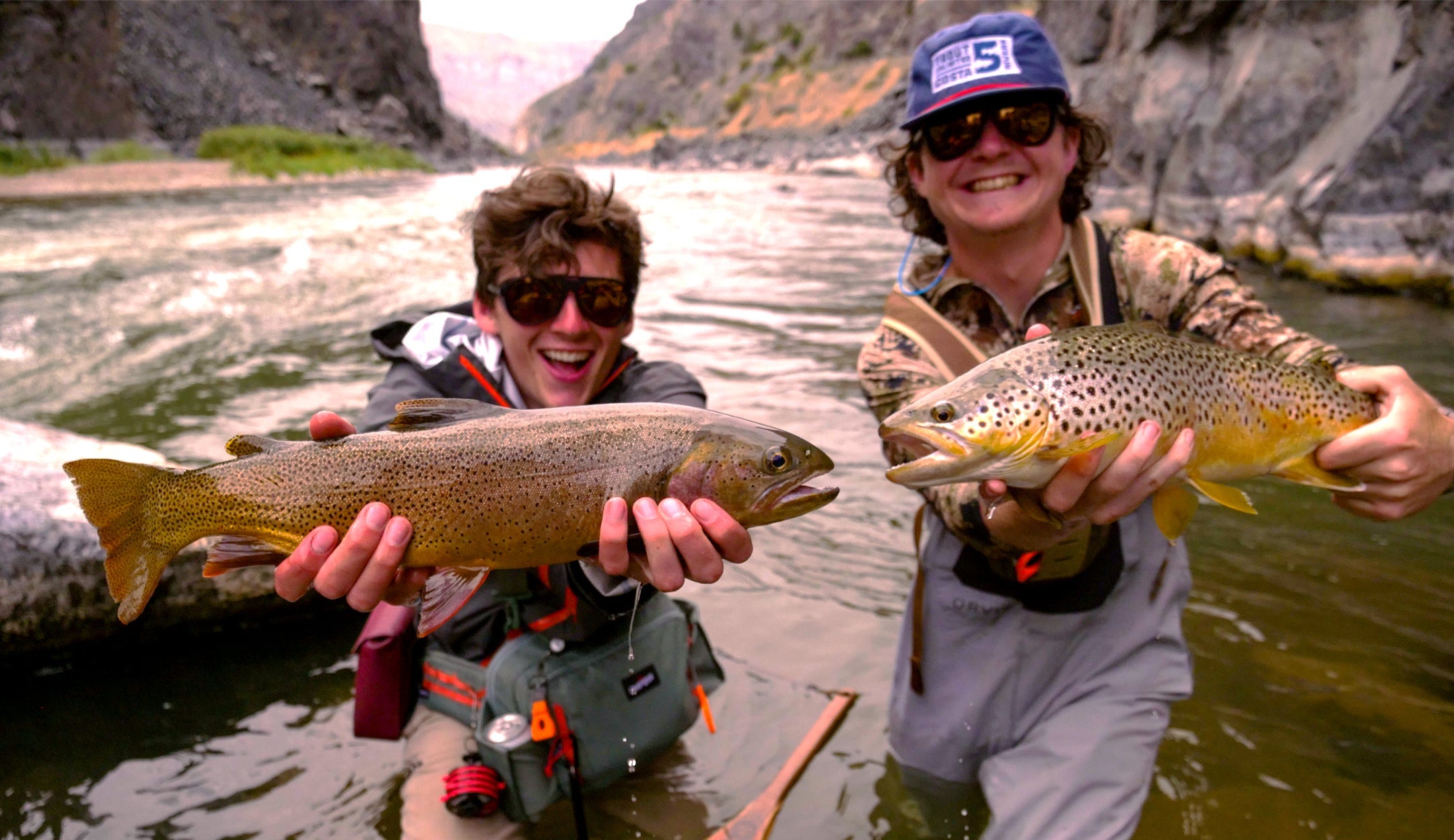
For Trey Mikell, that person is Jeff Legutki.


Jeff runs the Everglades. Trey runs the Nature Coast. Different water, different fish, different rhythm to the day. They didn't come up on the same ramp or share the same tides, but they came up in the same profession at the same level, and over enough years and enough conversations it turned into something that looks a lot like family. It happens like that in this world. You cross paths with another guide who is doing the work the right way, you keep in touch, you start comparing notes across fisheries, and eventually you realize the person on the other end of the phone is the one you actually call when things get hard.
Part 1 introduced the fishery. Part 2 went deeper into what it holds and what it demands. This part is about the people who make a life out here possible, and how a friendship between two guides shapes the way both of them fish.

There is a version of this industry that treats every other guide as competition, whether you fish the same water or not. Trey and Jeff have never operated that way. What they have is better than that. It's the kind of thing that only gets built one long day at a time, over years, in a profession that doesn't reward shortcuts.
The fish are the reason you start. The people are the reason you stay.
This is the Nature Coast.
And this is Part 3.